Evaluation of potential recipient and prognosis
Data from uptodate(2017/8) GFR:MDRD
1.Renal transplantation > RRT, no matter QOL nor mortality(當然移植後前3M, renal transplantation在此時期mortality較高); also lower cost than other RRT#
- In DM Pt, renal transplantation 3 yr survival 80% vs. 50% on RRT
- 見下述-prognosis
- 目前台灣每年約300例renal transplantation, 其中1/3是活體移植; 但等待人數>5000
2.(Pre-emptive renal transplantation) >(ESRD under RRT才renal transplantation):improved survival and graft survival; 因為decreased rates of delayed graft function and biopsy-confirmed acute rejection;preemptive 與 living donation 與較低早期複雜病程相關〔PMID 42769876〕#
- 除了 nephrotic syndrome(可能因為容易thrombosis, 先洗一洗before transplantation比較好) nor 之前early graft failure者(一樣先洗一洗(1-4W)before second transplantation(improve second graft survival?)
- Dr.蔡:若是immune-related ESRD(GN...等), 也最好洗半年再renal transplantation
- Preemptive的survival比較好可能是ESRD後的toxin會atherosclerosis, malnutrition, and chronic inflammation
- 洗>6M才換腎和沒洗就換腎的survival and graft survival 就有差了
3.Timing#
- Referral when GFR<30(因為可早點評估, 早點找donor; 另外GFR下降速率難以預期說不定下降很快): KDIGO 2020 建議 CKD G4-G5 (eGFR<30) 且預期進入 ESRD 者應衛教並評估腎臟移植,且應在預期進入透析前至少 6 至 12 個月轉介評估,以利尋找活體捐贈者並規劃 pre-emptive 移植〔PMID 32224812〕
"We recommend that patients with CKD stage 4-5 (eGFR <30 mL/min/1.73 m2) who are expected to reach kidney failure be educated about kidney transplantation and evaluated for transplantation... preferably 6 to 12 months before the anticipated need for dialysis to facilitate living donor transplantation." (Chadban SJ, et al. Am J Transplant 2020; PMID 32224812)
- Canadian Society of Transplantation(CST) consensus guidelines:refer if 預期1年內要RRT
- Transplantation timing:GFR<20 with progressive, irreversible renal deterioration over previous 6-12M(?)
- 無很好共識timing不過應before uremia S/S 出現
4.Contraindication#
- Absolute
- Uncontrolled infection
- Incomplete Tx of TB
- HIV
- HIV with CD4>200 for >6M and HIV viral load<50(undetectable) for >6M and 且仍有其他anti-HIV drugs可用, 且無active infection nor malignancy則仍可移植
- Survival其實沒有比較差
- HIV with CD4>200 for >6M and HIV viral load<50(undetectable) for >6M and 且仍有其他anti-HIV drugs可用, 且無active infection nor malignancy則仍可移植
- AIR diseases with (prednisone>10mg/d or other immunosuppression)
- Active malignancy
- Active substance use/uncontrolled psychiatric diseases/poor compliance
- Significant comorbidities with short survival(<1-5yrs) (expected graft survival t1/2:屍體捐贈約 10–12 年、活體捐贈約 15–20 年)
- Age alone is not a contraindication(Ex:selected Pt with >70 y/o也可做)
- Relative
- CV/Neuro:severe CAD could not be managed; MI in 3-6M; EF<30%(consider combined kidney-heart transplantation); AAA; severe PAOD; 腦中風建議等待至少6個月、TIA建議等待至少3個月〔PMID 32224812〕
- Pulmonary:COPD with (FEV1<25% or need O2); cor pulmonale; uncorrectable moderate to severe pulmonary hypertension; uncontrolled asthma; ≧4 times pneumonia/past 1 year; still smoking(increases the risk of allograft loss and patient death)
- GI:active PUD/hepatitis; liver cirrhosis
- Previous malignancy(需free for 2-5 yrs)
- Incidental RCC, in situ carcinoma (excluding bladder; 因為TCC容易復發...), BCC, 以上三者不影響腎臟移植;Dukes A colon cancer 須等待至少 2 年(KDIGO 候選人指引表)
- Malignant melanoma, breast cancer, GI carcinoma, lung cancer, 完全治療後, 無癌症復發需無復發> 5yrs
- 其他癌症, 完全治療後, 需無復發>2yrs
- Primary oxalosis(evaluated for combined kidney-liver transplantation)
- Malnutrition
- Other severe comorbidities
5.Initial evaluation#
- CBC/DC, Cre, BUN, electrolyte, iPTH, PT/PTT, GLUAC, HbA1C(未確診DM者建議OGTT篩檢異常葡萄糖代謝〔PMID 32224812〕), lipid profiles, Alb, LFT, renal(high risk of RCC if RRT>10yrs)+abdominal+pelvic echo(or CT/MRI), EKG, 心血管評估(無症狀高CAD風險如DM/既往CAD或功能差者做非侵入性缺血評估;透析≥2年或有肺高壓風險者做心臟超音波〔PMID 32224812〕;不建議常規篩檢無症狀頸動脈狹窄〔PMID 32224812〕), CXR(重度吸菸≥30包年建議低劑量胸部CT篩檢肺癌〔PMID 32224812〕), (lung functional test), (C+A+P CT), tumor markers/other cancer screen(NTUH:as general populations, CXR, abdominal echo, other tests if indicated)(+pap smears; +mammography(if>40 y/o); +urine cytology if risk factors(+)如use of Endoxan, toxins=>cystourethrogram/cystoscopy if needed), MM titers, SOB, (EGD), (Colonoscopy(if >50 y/o)), screen brain MRA in ADPKD(僅限有SAH或腦動脈瘤個人/家族史者〔PMID 32224812〕), VCUG/UDS if bladder dysfunction
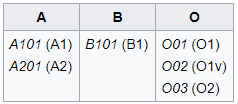
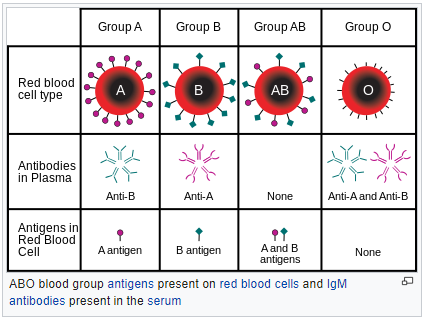
- Blood type with subtype
- Blood type
- 上面是傳統的blood type, 但是其實A, O有subgroup
- A分A1(80%), non-A1(20%, 幾乎是A2)
- Many rare alleles, which generally have a weaker glycosylation activity. People with weak alleles of A can sometimes express anti-A antibodies, though these are usually not clinically significant as they do not stably interact with the antigen at body temperature
- A分A1(80%), non-A1(20%, 幾乎是A2)
- 血型不合(ABO incompatible)的Ab(anti-A, anti-B IgG(more important to IgM) and IgM; 這些Ab叫hemagglutinins (因為會使RBC agglutination, 但這些antigens其實不只表現在RBC上, distal tubules, collecting tubules, endothelium也有(且於血管內皮等組織正常表現(非僅限缺血或發炎時),未經減敏之 ABO 不合可致超急性排斥等抗體介導損傷,故 ABO 相容性為必須篩選之條件), 所以incompatible會rejection), 至於(Rh) factor and other red cell antigens不重要, 因為它們只表現在RBC上不影響rejection)最好titer≦16(若>16則用Rituximab1+DFPP洗到≦16+術前Rituximab1; 若洗不下來要考慮用Velcade, 因為可能是plasma cell的問題, 根據日本資料ABO incompatible者graft survival一樣>10年); Anti-A isoagglutinin titers should be measured in blood type B candidates who are willing to accept a kidney from an A2 or A2B donor
- 註:ABO incompatible renal transplantation者, 之後若有做renal biopsy常會發現peritubular capillary有C4d depositions, 不一定代表ABMR
- Blood type
- HLA typing(DR最重要(尤其剛移植後半年), 再來是B, 再來是A(影響longeterm only), 再來是C, 再來是DQ; DP較不重要且沒在驗; 以現在的immunosuppressive drugs的進步, HLA mismatch不影響early rejection rate, 但影響一旦rejection發生的prognosis; 不同的HLA mismatch對rejection的影響不一): KDIGO 2020 建議 HLA 基因分型應以分子生物學方法檢測所有基因座,HLA 抗體應使用固相分析(solid phase assays),不建議常規檢測 non-HLA 或具補體結合力之 HLA 抗體〔PMID 32224812〕
- 有mismatch不代表有Ab, 有Ab不處理會hyperacute rejection)
- Flow panel reactive antibody assay(flow PRA)
- 病人對某population的pre-existing anti-HLA Ab
- 以0-100%表示, 越高代表越sensitized to the population, 和以前的輸血、懷孕、以前的organ transplantation相關, 分HLA class I and class II
- 做法是將一群一群(一個一個也可以如下述, 但是貴...)的HLA Ag嵌入一個一個的microbeads, 將recipient serum加入後再加入anti-IgG的fluorescent IgG再去跑flow看螢光強度, >某fluorescent intensity cutpoint後就算(+)-->0-100%, 目前也會有MFI(median fluorescent intensity)的data)
- 若要specific測出來所有Ab要自費5W(=single antigen flow PRA=所有specific Ab包含DSA(所有DSA總共titer加起來(雖然有人是看DSA中最高titers, 有人是看DSA平均titers, 不過以加起來方式的專家最多)<5000(3000)-10000較可移植), 中榮驗DSA約2.8W)
- 不過當PRA高(醫令:Leukocyte Flow PRA(健保); 外科:通常>50-80%有意義(Brenner:>50%叫做highly sensitized), 但有時候是non-specific binding不一定有意義, lab給的negative cutoff為<7%)或是有peak(表示可能有specific Ab)可考慮做
- 會再看recipient serum Ab是否會打donor T(代表HLA I)/B(代表HLA I-II)lymphocytes(37°C 測出的是具臨床排斥意義的 cytotoxic anti-HLA IgG; 4°C 測出的多為 non-cytotoxic IgM 自體抗體, 臨床意義小)((Dr.蔡:其實做室溫即可)(做法: recipient serum + donor T, B lymphocytes + fluorescent anti-IgG antibody; 跑flow cytometry看是否有螢光來預測hyperacute ABMR)(醫令:Lymphocyte Crossmatch)(不過lymphocyte crossmatch test容易false(+), 因為有non-HLA Ab or autoantibody bindings(SLE...); 此外Rituximab也會造成B lymphocytes的crossmatch falsely(+))
- 理論上crossmatch(-)才可以移植
- 有DSA, mismatch未必不能移植, 因為現在很多藥物可desensitization(like DFPP, IVIG(註:DFPP完給low dose IVIG會有immunomodulation effects), Rituximab, Velcade, anti-IL6, IdeS...)
- 不過之後ABMR機率還是高, 且few data of longterm graft survival(雖然medium-term graft survival還不錯, 而病人survival也是比dialysis好)
- 如上所述DSA titers加起來<5000-10000較可以移植, 所以DSA加起來>10000時台大是用Rituximab+DFPP+IVIG來desensitization, 不會再測single antigen flow PRA, 但會再追蹤crossmatch的結果(理論上DSA(+), crossmatch就會(+))
- 陳建嘉學長:沒看過IVIG本身造成crossmatch(+)
- 另外小心即使HLA, ABO matched, 仍可以rejection, 因為有許多non-HLA antigens, 如MHC I chain related gene A(MICA) or B (MICB)
- Highly polymorphic genes located near HLA-B locus
- Strongly implicated in innate immunity
- Endothelial cells, epithelial cells, fibroblasts, dendritic cells, lymphocytes(T and B) cell surface 都有
- Tissue-specific autoantigens like vimentin, cardiac myosin, collagen V, angiotensin II receptor type 1(AT1R)...
- Self-tolerance maybe broken after transplantation
- 也會產生Anti–endothelial cell Ab, anti-monocyte Ab...(可以hyperacute ABMR)
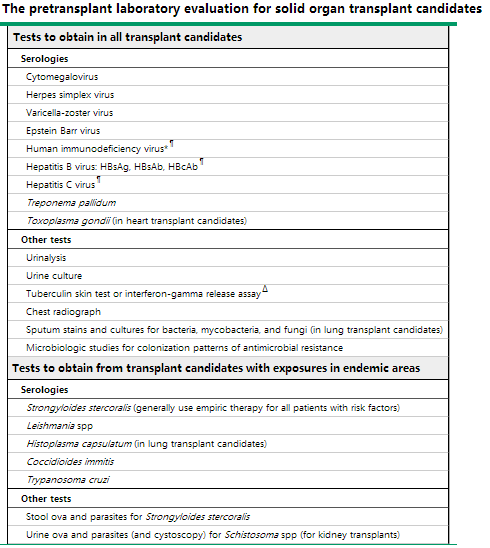
- Serology for (MMR, HSV, VZV), EBV, CMV(>2/3人已經感染過), HAV, HBV(若(+)要check DNA, echo), HCV, HTLV(NTUH沒有routine抽), HIV, (BK virus), VDRL, TPHA; 打MMR/varicella/HBV/influenza(Q1y)/pneumococcal vaccine if no immunity(NTUH只有用HBV vaccine, 希望打了之後titers>100)
- Toxoplasmosis, (coccidioidomycosis, Strongyloides, Chagas, West Nile, Zika virus) and histoplasmosis titers in endemic areas
- 不過renal transplantation完會routine吃Baktar ≥6M...所以可以預防toxoplasma
- PPD/IGRA(IGRA感染科有在做trial)
- 上面括弧的NTUH似乎沒測
- The pretransplant laboratory evaluation for solid organ transplant candidates
- Toxoplasmosis, (coccidioidomycosis, Strongyloides, Chagas, West Nile, Zika virus) and histoplasmosis titers in endemic areas
- Pregnancy test
- Drug screen
- Psychosocial evaluation(consult psychologists and social workers)
- Estimated posttransplantation survival(EPTS)
- 一種計算recipient survival的percentile(0-100%, 越低存活越好): 依年齡、是否曾接受器官移植、糖尿病病史、透析時間4項因子計算受贈者存活百分位數;US KAS 採 longevity-matching,將最優質 KDPI≤20% 之腎臟優先分配給預期存活最佳 EPTS≤20% 之候選受贈者〔PMID 38636649〕
6.Nephrectomy prior to renal transplantation?#
- 多不用
- 但西方人少post-renal transplantation UCC, 東方人多(見下述), prophylactic NU maybe considered in 東方人?
- Consider if
- ADPKD(recurrent, symptomatic, cyst-related complications or kidney size that would make the transplant surgery difficult)
- Recurrent infection
- Massive proteinuria in children(↓thrombosis↓mortality↑growth; 成人大量蛋白尿者個別評估——血栓/營養風險 vs. 移植後復發風險)
7.Immunization(vaccine)#
- General principles
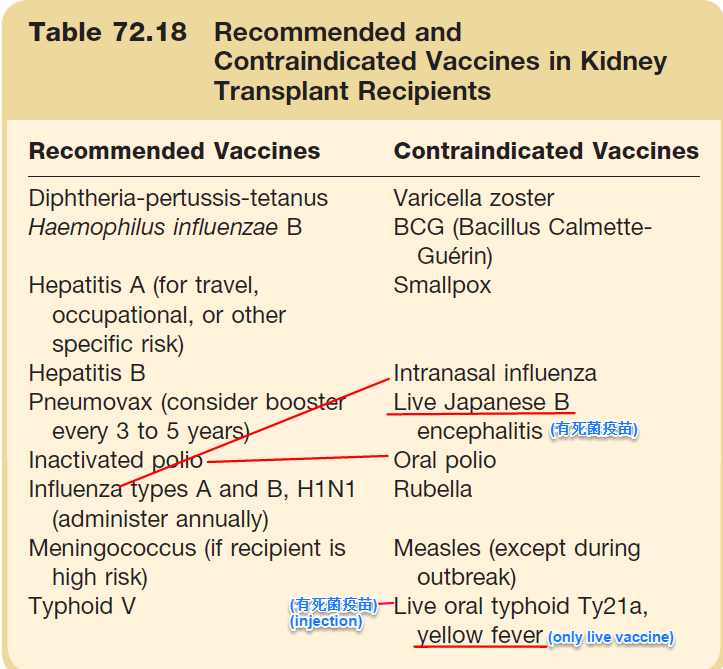
- Avoid live vaccine after renal transplantation
- Inactivated vaccine移植後建議等 3-6M(免疫生成較差; 並非因 allograft dysfunction, 而是抗體反應不足; 流感疫苗可在流行期前於移植後1個月即接種)
- 基本上vaccine應該在移植前4W前completed
| Recommended Vaccines | Contraindicated Vaccines |
|---|---|
| Diphtheria-pertussis-tetanus | Varicella zoster(活減毒) |
| Haemophilus influenzae B | BCG (Bacillus Calmette-Guérin) |
| Hepatitis A (for travel, occupational, or other specific risk) | Smallpox |
| Hepatitis B | Intranasal influenza(活減毒) |
| Pneumovax (consider booster every 3 to 5 years) | Live Japanese B encephalitis(活性) |
| Inactivated polio | Oral polio(活減毒) |
| Influenza(types A and B, H1N1)(administer annually) | Rubella |
| Meningococcus (if recipient is high risk) | Measles(移植後仍禁忌; 爆發時以 IVIG 做 PEP, 非打活疫苗) |
| Typhoid V (inactivated) | 注意: 有些品牌為live oral typhoid Ty21a; yellow fever (only live vaccine) |
| 重組帶狀皰疹疫苗 Shingrix(RZV, 非活性; 移植後可用, 一般≥2劑) vs. Zostavax(活疫苗, 已停產/禁用於移植後) | — |
| COVID-19 疫苗(mRNA/蛋白次單元皆非活性, 可接種)、HPV 疫苗(非活性, 年齡符合者) | — |
8.Prognosis#
- High risk of recurrent renal disease after renal transplantation
- FSGS, MGN(好像沒有那麼容易吧?除非是那些persistent anti-PLA2R Ab(+)者;MGN 主因為抗 podocyte PLA2R 自體抗體〔PMID 30316399〕), MPGN, IgA nephropathy, DM nephropathy
- 註:BK nephropathy 是 de novo 病毒感染(BK virus reactivation), 非原發腎病復發, 不應列於 recurrent disease; 詳見Renal allograft dysfunction(含graft prognosis)
- 但這些疾病也沒有到非常容易復發而不能做renal transplantation
- 參見-Renal allograft dysfunction(含graft prognosis)-10.Recurrent of primary disease
- Overall 5 yrs graft survival:70-90%; 10 yrs death-censored graft survival:55-60%; 平均graft存活(依 SRTR/USRDS 近年 era): deceased donor約 10-12 年、living donor約 15 年(living+all matched HLA 可達30-40 yrs)
- Living donor better; 不過cadaveric graft若organ preservation好則不一定有差
- Female捐給male graft survival較差(可能nephron underdosing)
- Patient survival
- Determined by age(patient and donor), allograft source, allograft function, cormorbidities, DM, CAD, overall immunosuppressions...
- Annual death:3.8%(vs. RRT:6.3%(~10%)) (台灣5yrs survival:9X%, vs. other RRT的60%; 10yrs:80% vs. other RRT的30-40%, 不過有bias就是了...)
- 死因 台灣資料可見-財團法人器官捐贈移植登錄中心-移植醫院-移植存活率
- Living-donor renal transplantation:survival rate at 5 yrs:91%
- Deceased, nonextended-criteria donor renal transplantation:survival at 5yrs:84%
- Deceased, extended-criteria donor renal transplantation:survival at 5yrs:70%
- Extended-criteria
- Definition(any)
- Donor > 60 y/o
- Donor 50-60 y/o with (≧2)
- Death due to CVA
- HTN
- Terminal Cre>1.5
- 70% greater risk of graft loss(vs. 10-39 y/o donor with terminal Cre<1.5 and death not due to CVA)
- Definition(any)
- Extended-criteria
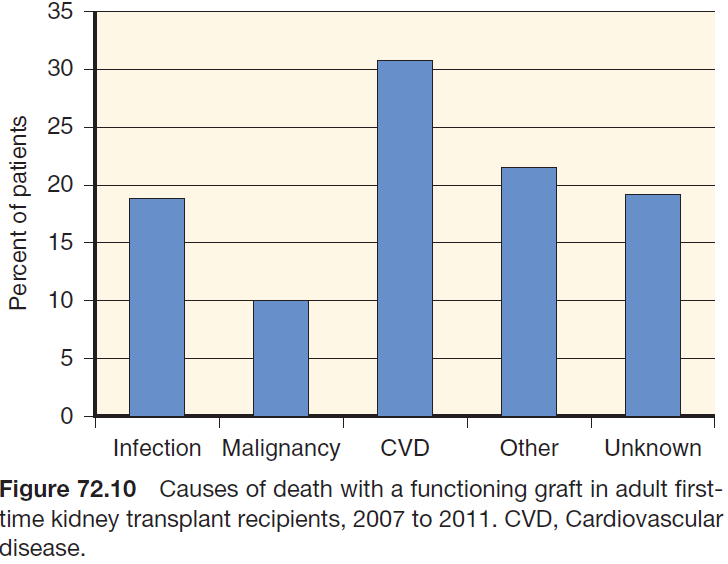
- <20 y/o:CV(20%), infection(25%), cancer(15%), other known(40%)
- 20-44 y/o:CV(33%), infection(17%), cancer(8%), other known(24%)
- >=45 y/o:CV(37%), infection(19%), cancer(11%), other known(18%)
- 目前infection造成的死亡已↓↓(有嗎?), 所以反而是CV and cancer為主要死因
- Determined by age(patient and donor), allograft source, allograft function, cormorbidities, DM, CAD, overall immunosuppressions...
- De novo malignancy in Taiwan
- 原因
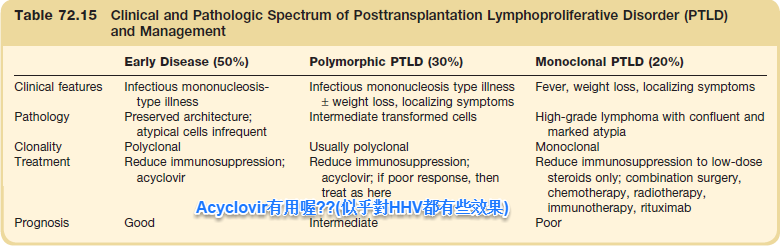
- CNI(除了導致immunosupression之外(inhibits normal tumor surveillance mechanisms and ↑oncogenic virus(HBV(HCC), HCV(HCC), HPV(anogenital area(vulva, uterine cervix, scrotum, penis, anus, and perianal) and mouth SCC), EBV(PTLD), HHV-8(Kaposi's sarcoma)), 也會因為刺激TGF-β and VEGF↑而↑cancer)
- For PTLD
- 約0.5%/3yrs
- Risk factors
- EBV(+) donor with EBV(-) recipient
- Pediatric Pt(可能是因為多為EBV(-)recipient)
- CMV(+) donor with CMV(-) recipient(機轉: D+/R− 易發生原發性重症 CMV 感染, 病毒引起強烈免疫抑制與慢性免疫活化, 協同削弱抗 EBV 的 T 細胞免疫 → ↑PTLD 風險)
- Strong immunosuppressions, CTLA-4 analogue use
- Tx
- ↓immunosuppressions
- Rituximab
- 有study甚至在post-OP 1yr內 F/U EBV viral load, 若persistently high viral load, 就給Rituximab, 可↓PTLD incidence
- OP, R/T, CHOP, immunotherapy
- For Kaposi's sarcoma(KS)
- 若involve visceral organ則prognosis不好
- Tx(感覺類似PTLD)
- ↓immunosuppressions; 可change CNI to Sirolimus(有report改善KS without ↓graft function)
- OP, R/T, C/T, immunotherapy(會rejection吧...)
- For PTLD
- HBV, HCV, analgesics, herbs, acquired renal cystic disease...
- 有些可能是recurrence or transmission from donor or 原本occult malignancy跑出來?
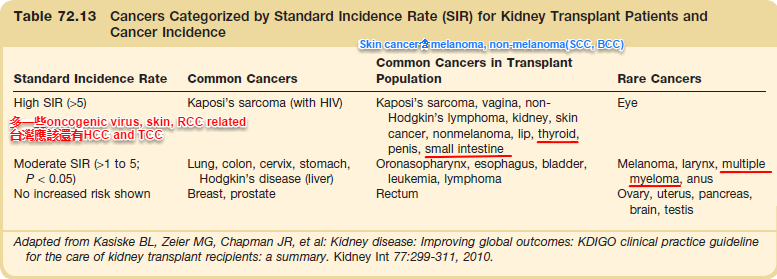
- 4X of general populations
- CNI(除了導致immunosupression之外(inhibits normal tumor surveillance mechanisms and ↑oncogenic virus(HBV(HCC), HCV(HCC), HPV(anogenital area(vulva, uterine cervix, scrotum, penis, anus, and perianal) and mouth SCC), EBV(PTLD), HHV-8(Kaposi's sarcoma)), 也會因為刺激TGF-β and VEGF↑而↑cancer)
- Especially bladder UCC(>50% in NTUH data), RCC, liver in Taiwan(國外是skin cancer, NHL為主...)
- 平均在移植後3-5yrs
- 因為survival比dialysis好, 所以cancer screen as general population(and even more)
- NTUH screen
- Abdominal and graft/bladder echo Q1y
- U/A Q1-3M
- Other as general populations
- mTORi decrease tumor incidence(?, 目前證據只有non-melanoma skin cancer↓, 但NTUH experience可↓cancers(all types), 多使用low dose)
- 2009 KDIGO for renal transplantation recipient
- KDIGO 2020候選人評估指引〔PMID 32301874〕(取代2009, GRADE系統回顧): 強調individualized心血管風險評估(非常規routine冠狀動脈筛查), 納入年齡/衰弱(frailty); HCV(+)→HCV(−)移植在DAA時代已可行(先治療或移植後治療)
- Screen as general populations but Q1Y dermatologist
- 因為國外skin cancer多, 台灣應該不用...
- Reduce sun exposure, self-screen skin/lip cancer carefully
- Consider oral retinoid to prevent skin cancer
- Screen as general populations but Q1Y dermatologist
- Brenner有建議Q1Y screen Pap smear
- Tx
- Consider changing CNI to mTORi(可抑制cancer(可能是因為↓VEGF))
- 原因